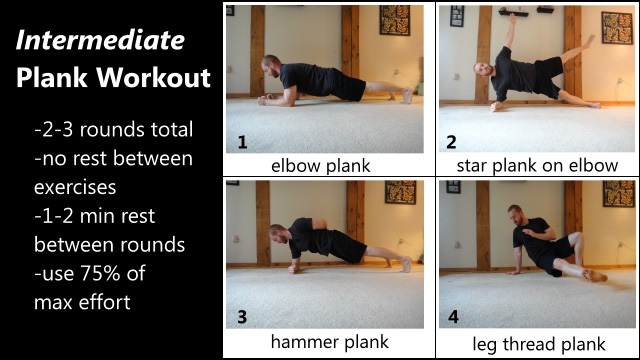
Plank Hold Training Program: Build Core Endurance for Maximum Points
Introduction
The Plank Hold Training Program is a structured system designed to develop outstanding core endurance, muscular stability, and total-body control. Unlike traditional ab exercises that focus on crunching movements, this program teaches participants how to activate deep core muscles through isometric strength training, allowing them to hold their body steady under sustained tension.
In modern fitness assessments, particularly in military and professional athletic standards, the ability to perform a strong plank hold is a crucial measure of endurance. Many military personnel and athletes train with the Plank Hold Training Program to achieve maximum points in the Army Combat Fitness Test (ACFT) or other core endurance tests.
What makes this program so effective is its systematic progression. Every week introduces new intensity levels, improved posture cues, and endurance tracking methods that help trainees push past plateaus. It is not only for soldiers or elite athletes — anyone can benefit from enhanced core stability, better posture, and reduced lower back pain through consistent practice of the Plank Hold Training Program.
By the end of this guide, readers will understand how to structure, perform, and track their training for consistent, measurable improvement.
🏋️ The Foundation of the Plank Hold Training Program
A successful Plank Hold Training Program begins with understanding the basics of plank execution. The foundation of plank performance lies in isometric endurance, meaning your muscles generate tension without movement.
To make progress safely, beginners should establish baseline times for their plank holds and then apply a progressive overload principle—slowly increasing time or intensity every few days.
Key Concepts in the Foundation Phase:
| Component | Description | Example Duration |
|---|---|---|
| Base Test | Record your maximum plank hold time | 30–60 seconds |
| Progression Rule | Add 10–15 seconds every 3 sessions | Gradual increase |
| Frequency | Perform planks 5 days per week | Consistency is key |
| Form Maintenance | Focus on alignment and breathing | Core tight, spine neutral |
Building Habits
Consistency is the heart of the Plank Hold Training Program. Many trainees begin with a daily plank challenge, slowly adapting to longer hold times. Over time, this becomes a mental as well as a physical exercise — a test of focus, breathing control, and mental grit.
Example Routine (Beginner 4-Week Plan):
-
Week 1: 3 sets of 30-second planks
-
Week 2: 3 sets of 45-second planks
-
Week 3: 3 sets of 60-second planks
-
Week 4: 4 sets of 60-second planks
By the end of the first month, participants typically notice a stronger midsection and improved posture. The foundation stage ensures that each individual is fully prepared for longer holds introduced later in the Plank Hold Training Program.
🧠 Understanding Core Strength and Endurance
A strong core is the cornerstone of human movement. The Plank Hold Training Program specifically targets core endurance training, developing the ability to resist fatigue while maintaining proper alignment.
While most people think of the abs when they hear “core,” this region actually includes the transverse abdominis, rectus abdominis, obliques, glutes, and lower back muscles. These groups work together to stabilize the spine and transfer power between the upper and lower body.
Benefits of Core Endurance:
-
Improved posture and stability
-
Reduced risk of back pain or injury
-
Enhanced athletic performance
-
Better balance and coordination
Core endurance training within the Plank Hold Training Program uses static positions to train these deep stabilizers. The emphasis on functional core exercises ensures strength that translates to real-world activities — from lifting to running.
Supporting Drills in the Program
| Exercise | Focus Area | Duration/Reps |
|---|---|---|
| Forearm Plank | Full-core stability | 60–90 seconds |
| Side Plank | Obliques, lateral stability | 30–45 seconds each side |
| Reverse Plank | Posterior chain activation | 45 seconds |
| Bird Dog Hold | Anti-rotation and balance | 30 seconds each side |
| Hollow Hold | Deep core endurance | 20–40 seconds |
Combining these exercises with the Plank Hold Training Program ensures well-rounded development.
Key Tips:
-
Focus on deep core muscle activation rather than external motion.
-
Incorporate anti-rotation core drills weekly to prevent imbalance.
-
Pay attention to breathing — shallow or held breath reduces endurance potential.
The stronger the deep core becomes, the easier it is to maintain long plank holds, improving both static hold core training and everyday stability.
🪖 Military Fitness and ACFT Integration
One of the major purposes behind the Plank Hold Training Program is preparing for military fitness assessments like the Army Combat Fitness Test (ACFT).
The ACFT plank event measures the ability to maintain proper form for extended periods. Soldiers who once performed leg tucks now demonstrate their core endurance through planking. According to army plank test standards, holding a proper plank for at least 3 minutes and 30 seconds earns maximum points.
Why It Matters:
-
Reflects core strength and endurance
-
Reduces risk of lower back injuries
-
Builds overall stability for load-bearing and movement tasks
The ACFT plank training program aligns perfectly with the structure of the Plank Hold Training Program, offering a clear progression from beginner to elite.
Recommended ACFT Plank Timeline:
| Level | Duration Goal | Frequency | Purpose |
|---|---|---|---|
| Beginner | 1:00–1:30 | 5 days/week | Build consistency |
| Intermediate | 2:00–3:00 | 4–5 days/week | Improve endurance |
| Advanced (Max Points) | 3:30+ | 4 days/week | Maintain elite standard |
Army Core Endurance Strategies:
-
Incorporate ACFT plank tips such as squeezing glutes, engaging the entire core, and maintaining a steady rhythm of breathing.
-
Alternate between standard planks and military fitness plank guide variations (side or weighted planks).
-
Use the ACFT score calculator to monitor weekly improvement and predict your readiness for test day.
By combining consistency, recovery, and perfect form, trainees in the Plank Hold Training Program can develop the endurance necessary to score maximum points and perform at their physical peak.
Visit https://www.apftcount.com/ to calculate your score instantly
💪 Proper Plank Form and Technique
The key to maximizing results in the Plank Hold Training Program is perfecting plank form. Proper technique allows longer holds, reduces fatigue, and prevents injury.
Correct Alignment Checklist
| Body Part | Correct Position | Common Mistake |
|---|---|---|
| Shoulders | Directly over elbows | Shoulders too forward or rounded |
| Spine | Neutral (straight line from head to heels) | Arched or sagging back |
| Hips | Level with shoulders | Hips too high or low |
| Legs | Straight, toes engaged | Knees bent or dragging |
| Neck | Slightly forward, gaze down | Head tilted up or down |
| Breathing | Slow, controlled | Holding breath |
Tips for Endurance:
-
Engage your transverse abdominis and glutes throughout the hold.
-
Maintain steady breathing to improve oxygen flow and reduce fatigue.
-
Avoid holding your breath — consistent exhalation during tension helps maintain energy.
Common Plank Mistakes:
-
Sagging Hips — reduces core activation and strains the lower back.
-
Elevated Shoulders — leads to fatigue and shoulder pain.
-
Holding Breath — limits endurance potential.
-
Poor Head Position — neck strain over long holds.
-
Overarching Back — reduces effectiveness of the Plank Hold Training Program.
Focusing on these alignment cues ensures that every session of the Plank Hold Training Program builds strength efficiently and safely.
⚡ Increasing Plank Duration and Core Endurance
A major goal of the Plank Hold Training Program is to extend hold time safely. Progression is gradual, focusing on small, consistent improvements.
Endurance Progression Table
| Week | Hold Duration | Sets | Notes |
|---|---|---|---|
| 1 | 30–45 sec | 3 | Focus on perfect form |
| 2 | 45–60 sec | 3–4 | Begin controlled breathing |
| 3 | 60–90 sec | 3 | Add shoulder taps or side planks |
| 4 | 90–120 sec | 3–4 | Include RKC plank for tension |
| 5 | 120–150 sec | 3 | Introduce weighted plank optional |
| 6 | 150–180 sec | 3 | Focus on endurance under fatigue |
| 7+ | 180+ sec | 3–4 | Aim for maximum points / ACFT standard |
Techniques to Improve Plank Performance:
-
Progressive Overload – gradually increase time or difficulty.
-
Variations – side planks, RKC planks, weighted planks.
-
Anti-Rotation Drills – strengthens obliques and spinal stabilizers.
-
Breathing Rhythm – slow, controlled breaths reduce fatigue.
-
Form Checks – mirrors or video recording help maintain proper posture.
By combining these strategies, participants in the Plank Hold Training Program can steadily improve hold times, moving from beginner endurance to advanced levels capable of achieving maximum points.
🏋️ ACFT-Specific Plank Training
For military fitness enthusiasts, the Plank Hold Training Program doubles as a specialized ACFT plank preparation plan. Scoring well requires holding proper form for an extended period while under fatigue from other physical events.
ACFT Plank Tips
-
Train planks after push-ups or sprints to simulate fatigue.
-
Track improvements with a plank performance tracker.
-
Incorporate core stability exercises like hollow holds or bird dogs.
-
Maintain mental focus, as prolonged holds require concentration as much as strength.
Example ACFT Plank Session
| Exercise | Duration | Sets | Purpose |
|---|---|---|---|
| Forearm Plank | 90 sec | 3 | Core endurance |
| Side Plank | 30 sec each side | 2 | Oblique stability |
| RKC Plank | 15 sec | 2 | Full tension activation |
| Hollow Hold | 30 sec | 2 | Deep core engagement |
This session, repeated 3–4 times per week, prepares trainees for both plank scoring improvement and real-life endurance challenges.
🧍 Weekly Training Plan and Supporting Drills
The Plank Hold Training Program is most effective when paired with complementary exercises that enhance core balance, mobility, and functional endurance.
Weekly Plan (8 Weeks)
| Week | Main Plank Focus | Supporting Drills | Notes |
|---|---|---|---|
| 1–2 | Form & Base Hold (30–45 sec) | Side Plank, Hollow Hold | Build consistency |
| 3–4 | Endurance Increase (60–90 sec) | Bird Dog, Reverse Plank | Add mental focus |
| 5–6 | Strength & Resistance (90–150 sec) | Weighted Plank, RKC Plank | Build maximal tension |
| 7–8 | Peak Performance (180+ sec) | Full-body Core Circuit | Test simulation for ACFT |
Supporting Exercises
-
Bird Dog Hold – anti-rotation and balance
-
Dead Bug – core activation and spinal protection
-
Glute Bridge – posterior chain support
-
Hollow Hold – deep abdominal engagement
-
Side Plank with Hip Lift – lateral endurance
Tips for Long-Term Success
-
Track each session using a plank performance tracker.
-
Rest 1–2 minutes between high-intensity holds to recover fully.
-
Include mobility work and light stretching post-session to avoid tightness.
-
Focus on core engagement cues and steady breathing for every set.
By following this comprehensive weekly plan, participants can progress from holding a basic 30-second plank to sustaining 3+ minute holds, achieving maximum points while improving overall core strength.
💬 FAQ: Plank Hold Training Program — Common Questions
Q1. How to train for a 3-minute plank?
Start gradually, adding 10–15 seconds per week. Use the plank endurance plan to progress safely and focus on correct posture.
Q2. What’s a good plank hold time?
A 1-minute hold indicates solid beginner endurance; 2–3 minutes shows advanced stability and core endurance training success.
Q3. How to improve plank score fast?
Train consistently, use anti-rotation core drills, and avoid common plank mistakes that limit endurance.
Q4. What muscles does the plank work?
It targets the abdominals, obliques, lower back, shoulders, and hips — providing a full core stability training effect.
Q5. Can you do planks every day?
Yes, but alternate intensity. Short daily holds can boost endurance while longer sessions may require rest.
Q6. How to avoid shaking during plank?
Shaking often comes from fatigue or poor engagement. Focus on deep core muscle activation and steady breathing.
Q7. How to breathe properly during plank?
Inhale through the nose and exhale through the mouth in controlled rhythms. This enhances oxygen flow and control.
Q8. How to pass the ACFT plank test?
Follow the ACFT plank training program, perfect your form, and target a 3-minute plank goal to ensure success.
✅ Conclusion
The Plank Hold Training Program is more than a workout — it’s a structured pathway to stronger endurance, core stability, and performance excellence. By focusing on form, consistency, and gradual progression, anyone can build the foundation for exceptional core endurance and maximum points in physical fitness testing.
A consistent commitment to the process, combined with smart recovery and supportive exercises, guarantees long-term strength and confidence in every aspect of movement.