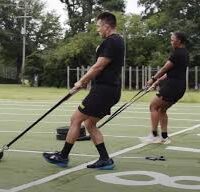
Sprint-Drag-Carry Mastery: 5 Drills to Cut 30 Seconds Off Your Time
Introduction
Imagine crossing the finish line and realizing you’ve just beaten your personal record by 30 seconds. That rush, that fire, that unstoppable feeling—that’s what Sprint-Drag-Carry Mastery delivers.
For tactical athletes, soldiers, and fitness enthusiasts, the Sprint Drag Carry (SDC) is more than a test—it’s a battle between speed, strength, and endurance. Every second counts, and those who learn how to train smarter, not just harder, unlock incredible gains in their performance.
This article explores five proven drills that can help you dominate the Army Combat Fitness Test Sprint Drag Carry. Along the way, you’ll discover expert Sprint Drag Carry techniques, recovery tips, and a structured training plan built to improve efficiency, speed, and power.
Whether your goal is to climb the ACFT leaderboard or simply push past limits, mastering this event will redefine your approach to functional fitness training.
Why Sprint-Drag-Carry Mastery Matters
When it comes to tactical and military fitness, Sprint-Drag-Carry Mastery isn’t just another workout—it’s mission-critical. The event replicates real-world movements soldiers use under stress: sprinting with gear, dragging loads, changing direction, and carrying heavy equipment.
For soldiers, it’s a core component of the Army Combat Fitness Test Sprint Drag Carry, directly influencing readiness and promotion scores. For civilians, it’s a gold standard of explosive speed and endurance drills that test strength, stamina, and mental focus.
Mastering this event builds speed and strength performance, enhances coordination, and sharpens the kind of endurance that separates elite performers from average athletes. It’s not just about cutting time—it’s about building confidence, power, and grit.
Understanding the Sprint-Drag-Carry Event
Before achieving Sprint-Drag-Carry Mastery, it’s essential to understand the event itself. The SDC measures a unique blend of athleticism—sprint speed, power, agility, and muscular endurance—under time pressure.
Breakdown of the Components
-
Sprint (25m down and back): Explosive acceleration tests your ability to move quickly while maintaining balance.
-
Drag (90lb sled): Challenges posterior-chain strength—hamstrings, glutes, and back.
-
Lateral Shuffle: Tests coordination and side-to-side control.
-
Carry (2 x 40lb kettlebells): Develops grip endurance and core stability.
-
Final Sprint: Pushes anaerobic capacity and mental resilience.
Muscles Worked
The Sprint Drag Carry targets nearly every major muscle—legs, back, shoulders, grip, and core. It’s a full-body performance test that builds athletic performance improvement across multiple systems.
Scoring System
The ACFT Sprint Drag Carry scoring system rewards completion time. Under 2:10 for men and 2:30 for women ranks as elite. But every second shaved off boosts total ACFT points, meaning that improving your Sprint Drag Carry drills directly translates to better scores and readiness.
Why 30 Seconds Matter
Cutting 30 seconds in this event is a mark of true Sprint-Drag-Carry Mastery. It means better efficiency, endurance, and composure. The difference between 2:45 and 2:15 is the difference between average and exceptional performance.
Common Mistakes That Slow You Down
Even the strongest athletes lose precious seconds in the Sprint Drag Carry due to small but costly errors. Understanding these mistakes is key to unlocking Sprint-Drag-Carry Mastery.
1. Poor Transitions Between Stations
Most time is lost not during the sprint or carry but between them. Hesitation to grab the sled or kettlebells adds up. Smooth, practiced transitions are essential.
2. Inefficient Sled Drag Technique
Pulling with your arms instead of driving with your legs reduces power. Proper form—chest up, shoulders back, and forceful leg drive—keeps momentum high.
3. Weak Grip and Core Fatigue
A weak grip breaks form and slows the carry. Building Sprint Drag Carry exercises like farmer’s holds, planks, and kettlebell carries ensures control and endurance.
4. Inappropriate Footwear
Traction is everything. Choose shoes designed for tactical athlete workouts that provide grip during lateral and sprint movements.
5. Lack of Conditioning
Without proper high-intensity interval training (HIIT) and anaerobic work, fatigue kicks in early. Conditioning bridges the gap between power and endurance.
⚡ Pro Tip: 3 Quick Fixes
-
Practice event transitions weekly.
-
Strengthen your grip twice per week.
-
Record each drill to refine your Sprint Drag Carry technique.
By avoiding these pitfalls, you’ll create smoother, faster performance and move one step closer to true Sprint-Drag-Carry Mastery.
Key Training Principles for Sprint-Drag-Carry Mastery
Like any skill, Sprint-Drag-Carry Mastery thrives on structure. Success comes from training smarter—balancing power, speed, and recovery.
1. Progressive Overload
Gradually increase sled weight and carry distance to build explosive power. Consistent overload creates adaptation.
2. Speed and Agility Development
Incorporate Sprint Drag Carry drills that mix shuffles, sprints, and acceleration work to enhance responsiveness.
3. Energy System Balance
Train both anaerobic bursts (short, intense efforts) and aerobic recovery to maintain pace under fatigue.
4. Mobility and Recovery
Tight hips limit stride efficiency. Use dynamic warm-ups and post-session mobility work to enhance range of motion.
5. Frequency
The ideal Sprint Drag Carry training plan runs three to four times per week. Alternate high-intensity days with lighter recovery sessions to avoid burnout.
Each session brings you closer to Sprint-Drag-Carry Mastery, building strength, endurance, and precision under pressure.
The 5 Drills to Cut 30 Seconds Off Your Sprint-Drag-Carry Time
Here are the five cornerstone drills designed to transform your performance and help you reach elite-level Sprint-Drag-Carry Mastery.
Drill 1: Sled Sprint Intervals
Purpose: Build lower-body strength and acceleration.
Execution: Load sled to 70–80% body weight. Sprint 25m down and back, rest 45 seconds, and repeat 6–8 rounds.
Coaching Tip: Drive with legs, not arms. Maintain upright posture.
Benefit: Improves drag efficiency and sprint recovery during the Army Combat Fitness Test Sprint Drag Carry.
Drill 2: Lateral Shuffle + Sprint Combos
Purpose: Improve foot speed and transition control.
Execution: 10m lateral shuffle into a 25m sprint. Repeat 5–7 times.
Coaching Tip: Stay low, use quick, controlled steps.
Benefit: Enhances direction change and agility for smoother transitions in your Sprint Drag Carry drills.
Drill 3: Kettlebell Farmer’s Carry Intervals
Purpose: Strengthen grip, traps, and core endurance.
Execution: Carry 40–50lb kettlebells 25m for 5–6 sets with 45 seconds rest.
Coaching Tip: Engage core, keep shoulders back, and move briskly.
Benefit: Improves posture and control for a stronger carry phase, vital for Sprint Drag Carry mastery.
Drill 4: Sprint-Drag-Carry Simulation Circuits
Purpose: Build event-specific endurance and confidence.
Execution: Perform full SDC simulation (sprint, drag, shuffle, carry, sprint). Repeat 2–3 times, resting 3 minutes between rounds.
Coaching Tip: Record times and note where fatigue hits.
Benefit: Creates realistic pacing and mental toughness under time pressure.
Drill 5: Explosive Power Builders (Box Jumps + Hill Sprints)
Purpose: Enhance leg drive and recovery speed.
Execution: 8 box jumps followed by 20m hill sprints. Rest 90 seconds and repeat 4–5 rounds.
Coaching Tip: Focus on landing softly and pushing off explosively.
Benefit: Builds explosive leg power and improves the first and last sprint segments in Sprint-Drag-Carry Mastery.
4-Week Sprint-Drag-Carry Improvement Plan
A disciplined Sprint-Drag-Carry training plan transforms raw effort into elite performance. This four-week blueprint builds power, speed, and endurance in logical progression so athletes peak on test day.
Weekly Structure
| Day | Focus | Drill |
| Day 1 | Strength + Power | Sled Sprint Intervals |
| Day 2 | Speed + Agility | Lateral Shuffle + Sprint Combos |
| Day 3 | Mobility + Recovery | Foam rolling + mobility flow |
| Day 4 | Explosive Power | Box Jumps + Hill Sprints |
| Day 5 | Endurance Simulation | Sprint-Drag-Carry Simulation Circuits |
Each day layers new stressors without overtraining, producing steady Sprint-Drag-Carry performance improvement. For soldiers prepping for the Army Combat Fitness Test Sprint Drag Carry, this schedule mirrors tactical readiness cycles used in military conditioning.
Progress Tracking
| Week | Goal | Primary Focus |
| Week 1 | Establish baseline | Record time and form video |
| Week 2 | Cut 10–15 sec | Perfect transitions and sled form |
| Week 3 | Cut another 10 sec | Improve grip endurance |
| Week 4 | Total 30 sec drop | Simulate test twice weekly |
Performance Tips
- Hydrate before and after every high-intensity session.
- Use breathing control during carries to delay fatigue.
- Prioritize post-workout recovery with stretching and protein intake.
Following this plan can produce a measurable athletic performance improvement of 20–40 seconds in just one month.
Gear and Equipment That Make a Difference
Smart athletes treat gear as a competitive advantage. The right setup enhances comfort, efficiency, and safety during every Sprint Drag Carry workout.
- Footwear: Choose lightweight shoes with firm traction for multidirectional moves—ideal for agility and power exercises.
- Sleds: Use turf-ready sleds that glide evenly; resistance consistency builds confidence for the ACFT Sprint Drag Carry.
- Kettlebells: Match official standards (40–50 lb each). Unequal weights distort posture and slow transitions.
- Grip Aids: Chalk or minimalist gloves help maintain hold during long carries.
- Training Surface: Smooth, rubberized, or turf surfaces best simulate official testing lanes.
Proper equipment eliminates external variables so improvements reflect true Sprint-Drag-Carry Mastery.
Tracking Progress and Measuring Results
You can’t improve what you don’t measure. Consistent tracking keeps motivation high and highlights small wins that lead to big breakthroughs.
- Time every session with a stopwatch or fitness app.
- Log weights, rest, and surface type to see what influences performance.
- Video drills to analyze body mechanics and refine Sprint Drag Carry technique.
- Set micro-goals: reduce time by five seconds weekly or perfect transitions.
This data-driven feedback loop builds awareness and ensures long-term Sprint Drag Carry mastery instead of random progress.
Recovery, Mobility, and Injury Prevention
Elite performance demands rest as fiercely as work. Recovery cements gains and prevents setbacks common in high-intensity Sprint Drag Carry drills.
- Dynamic Warm-ups: Activate hips, hamstrings, and shoulders before each session.
- Post-Workout Stretching: Focus on hip flexors, calves, and quads to restore range of motion.
- Foam Rolling: Flushes lactic acid and minimizes soreness from heavy Sprint and strength conditioning.
- Sleep: Seven to eight hours nightly maximizes hormone balance and muscle repair.
- Core Strength: A solid trunk prevents the lower-back tension many athletes feel after intense Sprint Drag Carry exercises.
Listen to your body; pushing through pain risks injury and stalls improvement.
Conclusion
Mastering the Sprint Drag Carry is more than cutting seconds—it’s conquering limits. The drills, plan, and recovery methods outlined here are the foundation of real Sprint-Drag-Carry Mastery. Every sprint, drag, shuffle, and carry teaches control under pressure, forging the speed, power, and grit tactical athletes need most.
Follow the 4-week Sprint-Drag-Carry improvement plan, track your numbers, fuel your body, and keep refining technique. The reward is undeniable—shaving 30 seconds off your time, boosting your ACFT score, and proving you can perform when it counts.
Start today, stay consistent, and own every meter of the test.
FAQs
Q1. How long should the Sprint-Drag-Carry take?
Most complete it between 2 min 30 s and 3 min. Elite performers finish in under 2 minutes on the Army Combat Fitness Test Sprint Drag Carry.
Q2. How often should these drills be trained?
Three to four sessions weekly balance intensity with recovery—ideal for sustainable Sprint Drag Carry mastery.
Q3. How can sled drag speed improve quickly?
Emphasize leg drive, upright posture, and integrate explosive speed and endurance drills twice per week.
Q4. What if official equipment isn’t available?
Use sandbags, weighted vests, or DIY sleds for resistance—excellent alternatives for Sprint Drag Carry practice drills.
Q5. How do I prevent fatigue during the carry?
Train grip endurance with farmer’s carries and focus on rhythmic breathing during transitions.
Q6. How much time can realistically be cut in four weeks?
With disciplined functional fitness training and form refinement, 20–40 seconds is common.
Q7. What’s the biggest mistake athletes make?
Rushing transitions and neglecting pacing. Smooth, efficient movement always beats reckless speed.